Antje Joins the Panel at Play by Mattel to Discuss the Power of Play
A developmental psychology perspective on why play is central to early childhood learning
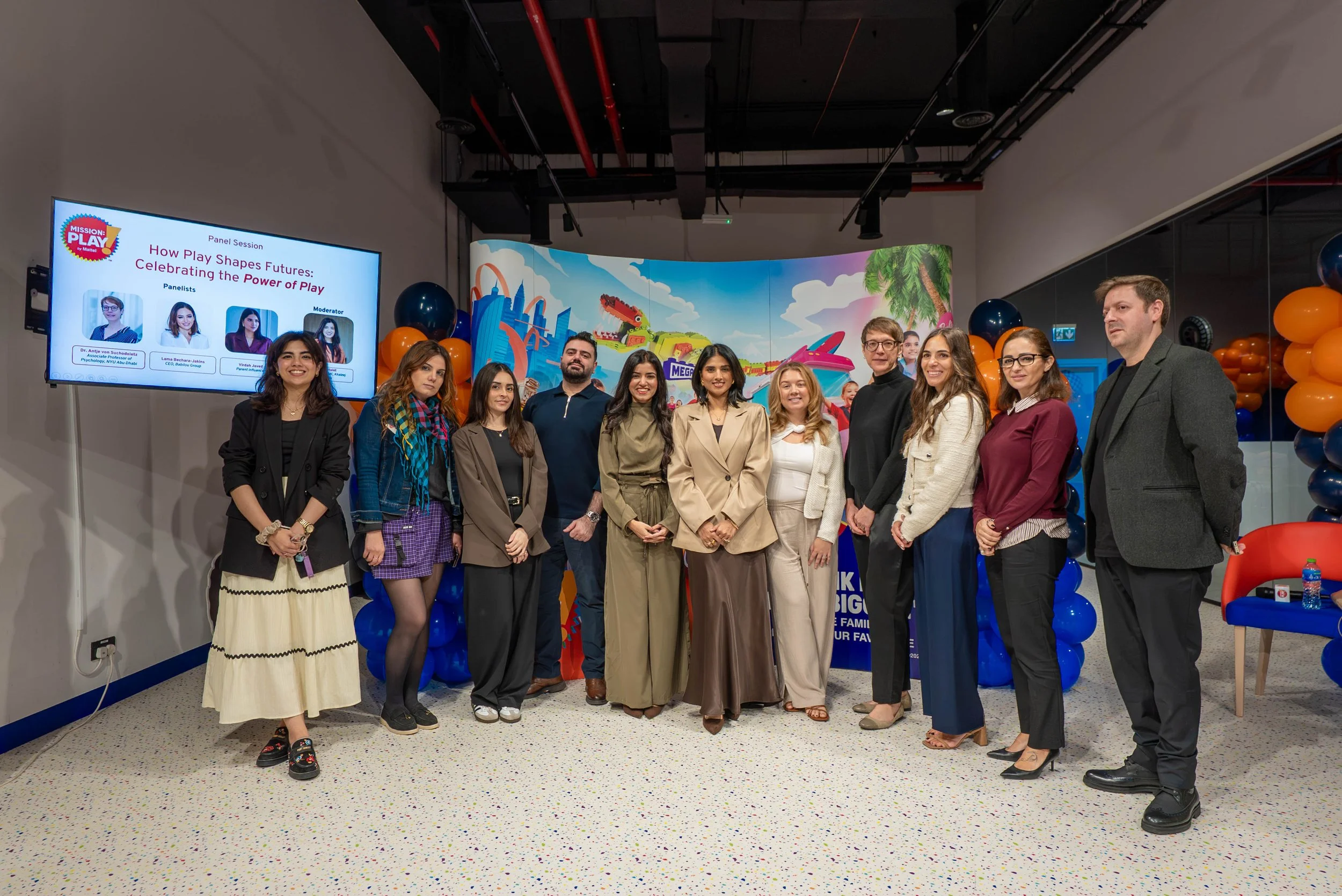
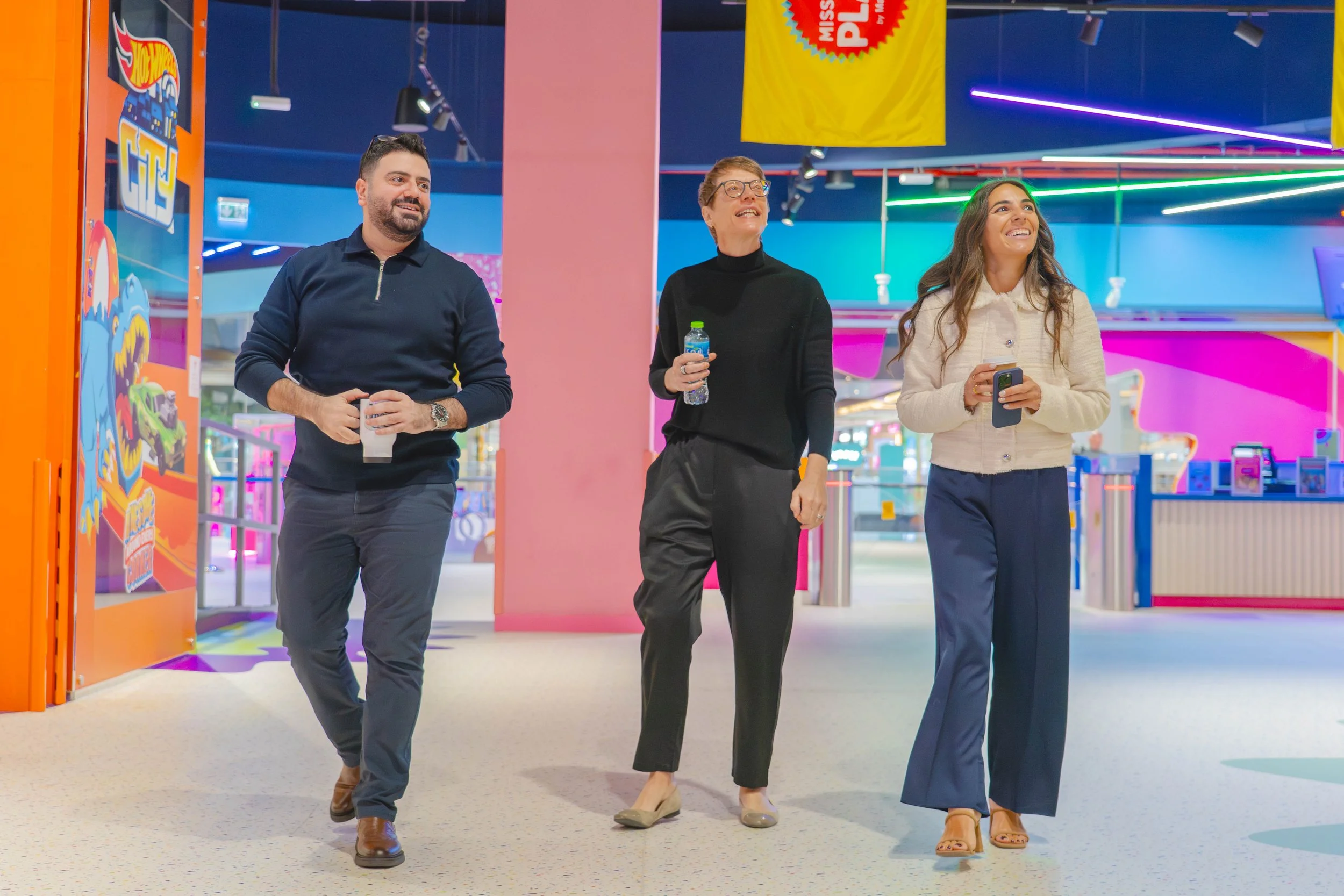
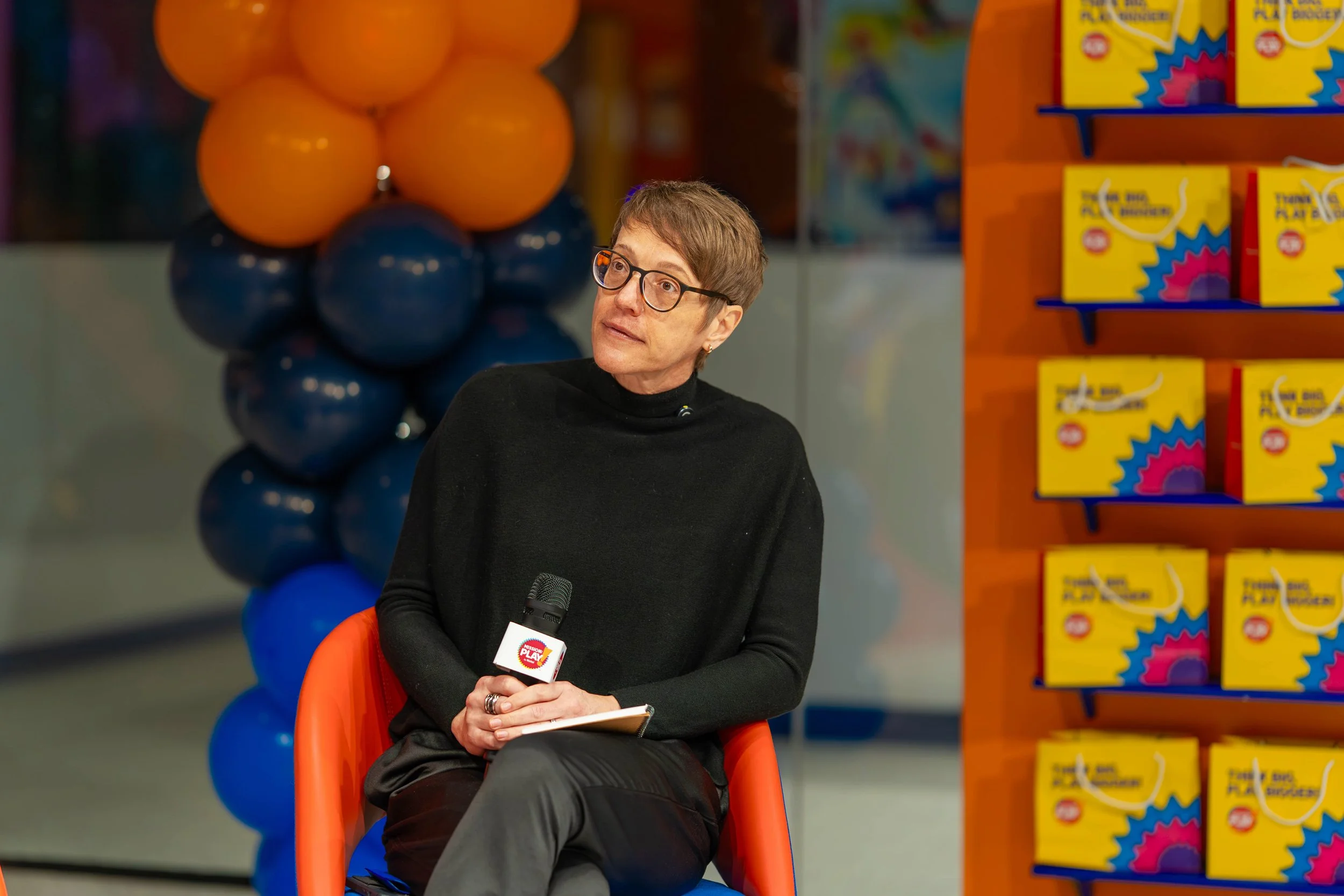
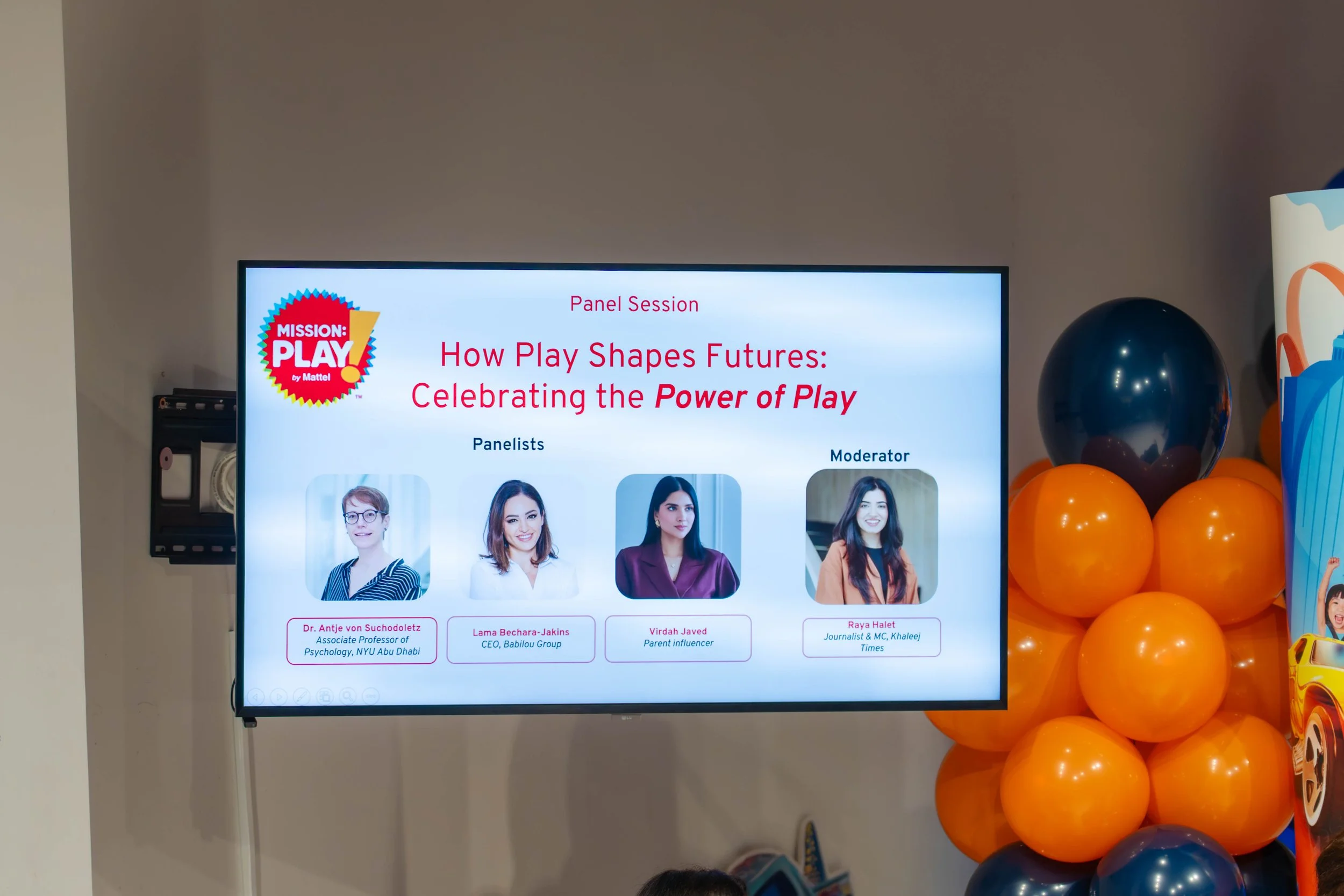
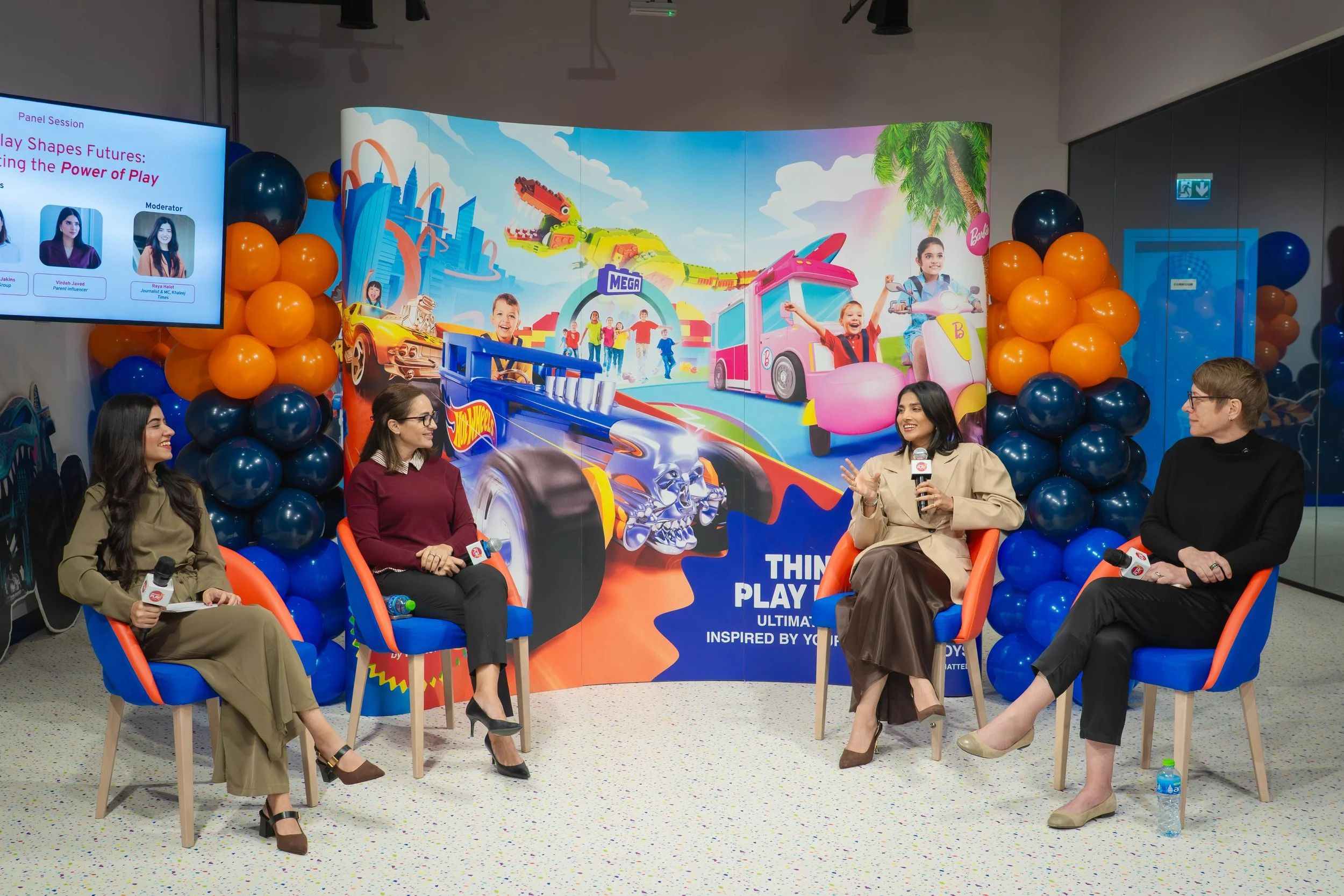
Antje was invited to join a panel discussion focused on the role of play in early childhood development, hosted at Play by Mattel, a large indoor play space created to celebrate and support learning through play.
Opened in 2024, Play by Mattel was designed around a simple but often misunderstood idea: play is not separate from learning. The panel brought together research, education, and lived parenting experiences to explore how play shapes children’s development in meaningful and lasting ways.
One of the key myths discussed during the session was the belief that play is merely “free time,” something children do once learning is over. Developmental research shows otherwise. Through play, children learn to manage emotions such as frustration, excitement, and disappointment. They develop language by explaining ideas, negotiating roles, and telling stories. They also build social understanding by taking turns, resolving disagreements, and learning to see situations from another child’s perspective. These everyday moments form the foundation for how children learn, relate to others, and adapt over time.
The discussion also highlighted why play does not always need structure or a fixed outcome. When children are given the freedom to explore, try, and follow their curiosity, learning unfolds naturally. This kind of play supports motivation, creativity, and confidence, even when its impact is not immediately visible.
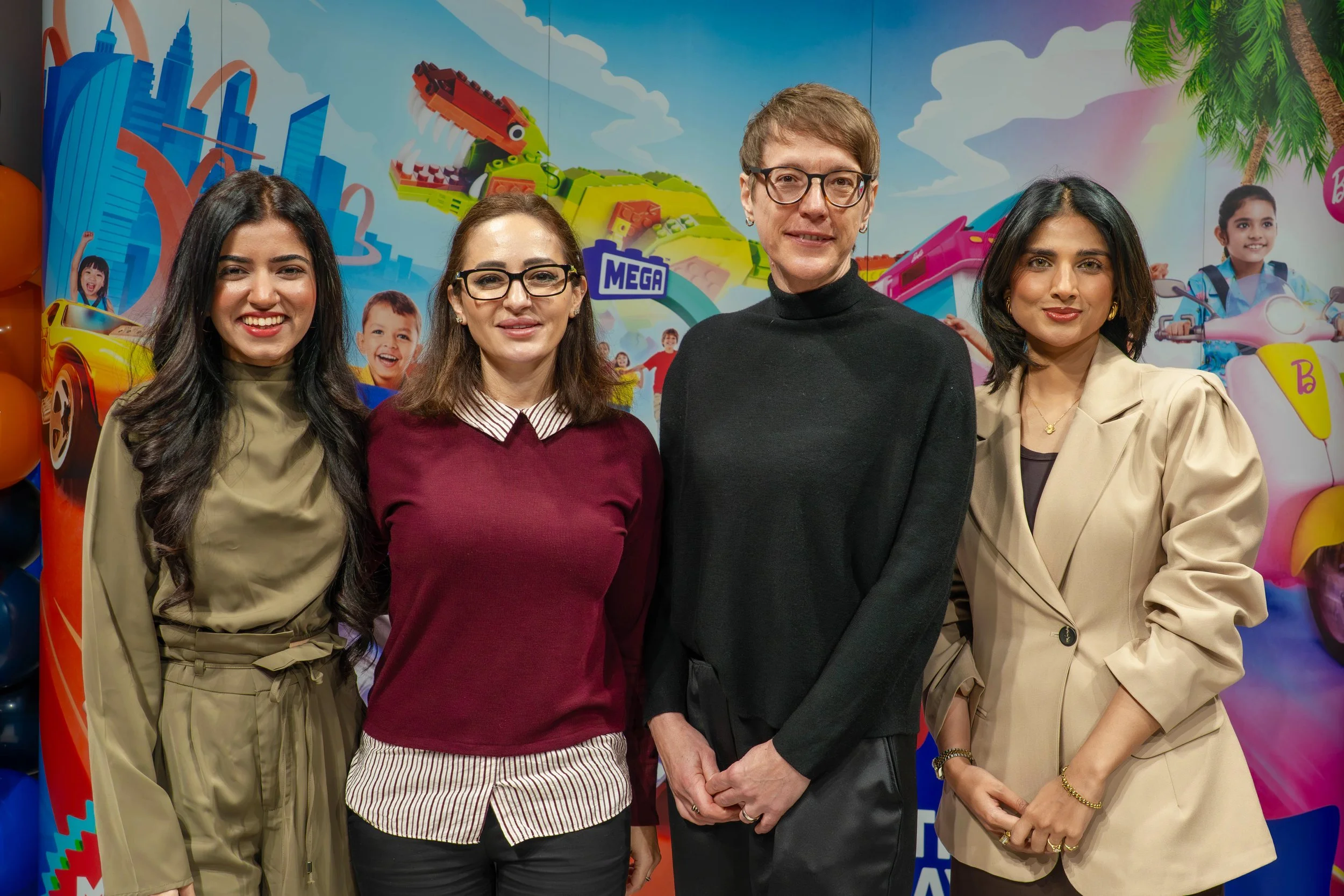
Antje was joined on the panel by Lama Bechara Jakins, who shared insights from early learning environments on how play-based approaches support children developing at different paces, and Virdah Javed Khan, who reflected on her personal journey as a parent and how play helped her better understand her child’s emotions and individuality. The conversation was moderated by Somya Mehta, who guided the discussion with clarity and care, helping connect research, practice, and lived experience.
Together, the panel reinforced a shared message: when play is protected and valued, it supports far more than childhood enjoyment. It supports how children grow, learn, and make sense of the world.